East Texas is known for having hot weather. Hot, humid weather. Especially in the summer.
Your air conditioner doesn’t just make the difference in keeping your home comfortable—it can also make a difference in the health of your family and your utility bills.
If your AC isn’t working in extremely hot weather, it can cause people—especially the elderly, immune compromised, and babies—to suffer heat-related illnesses. In addition, hot humid conditions can cause mold and mildew to grow, which can make people sick and cause prolonged health problems.
If you notice that your AC isn’t keeping your home cool like it should, it’s important to contact an AC repair company in East Texas like ETR to perform a professional inspection of your air conditioner with state-of-the-art products and diagnostic equipment to diagnose and fix the problem.
You may need your ductwork cleaned, air conditioner filters changed, or even a new air conditioner.
If your local AC and heating company doesn’t find any problems with your AC, the reason your air conditioner isn’t performing as it should could be because of poor insulation.
Especially if you own an older home.
Why Insulation Is Critical for Cooling, Not Just Heating
When was the last time you had your insulation inspected? Have you ever had your insulation checked?
If not, and especially if you own an older home, it’s important to know if your home’s insulation is doing its’ job.
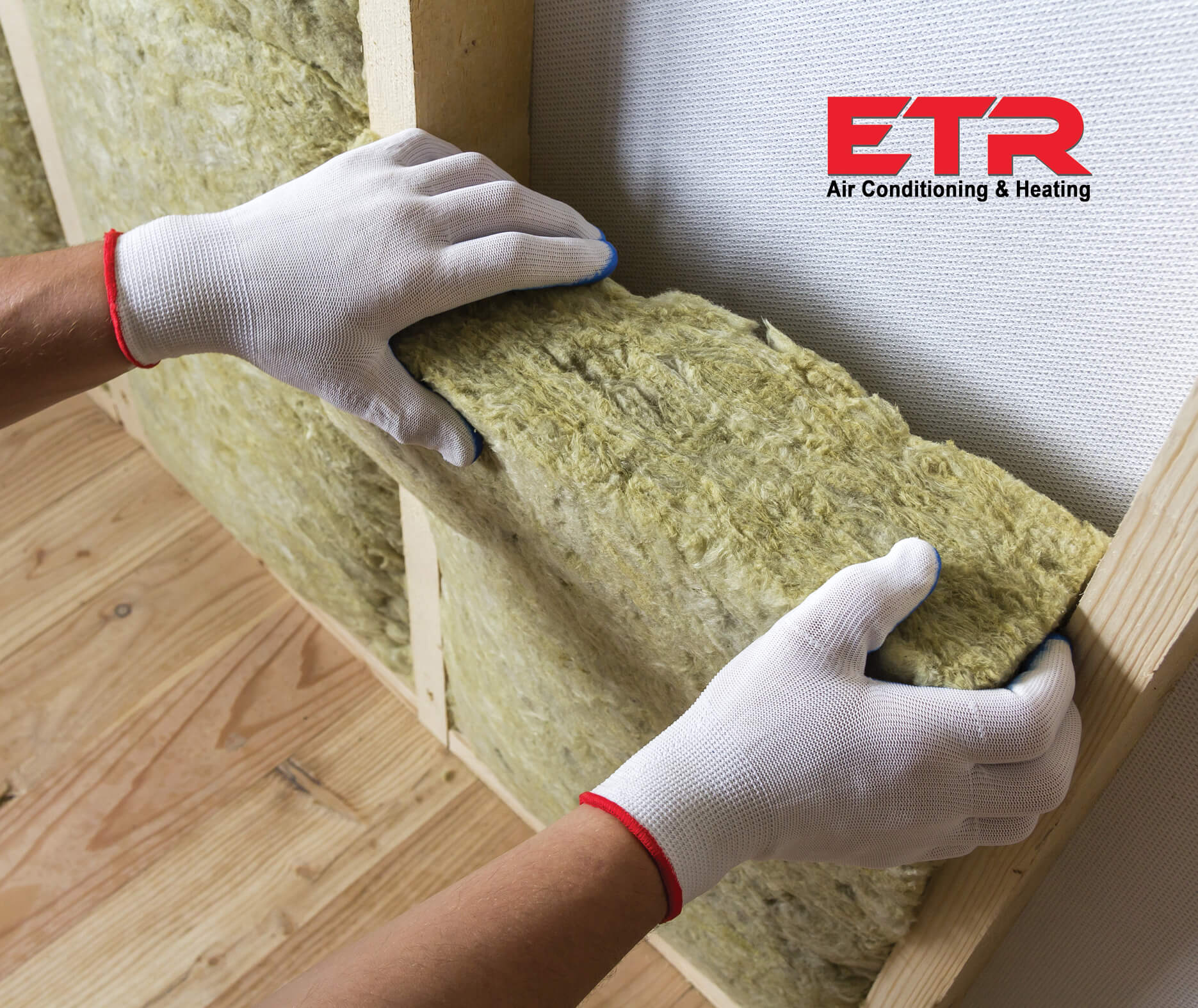
When we think of insulation we primarily think of keeping our home warm. However insulation is also necessary to helping keep your home cool.
If your insulation is old and not working as it should, two things are causing your AC to have to work harder: The first is that hot air from outside is able to seep through the gaps and cause your home to get and stay warmer. At the same time, these gaps are allowing cold air from inside to seep outside meaning your AC is working harder to keep the house cool and comfortable. Insulation issues can also impact your home staying warm in the winter. If you notice your furnace is kicking on more often, you might be losing heat due to faulty insulation.
By investing in your insulation, you can save money in heating and cooling costs, make your home more energy-efficient and temperature-stable, and increase the efficiency and lifespan of your HVAC system.
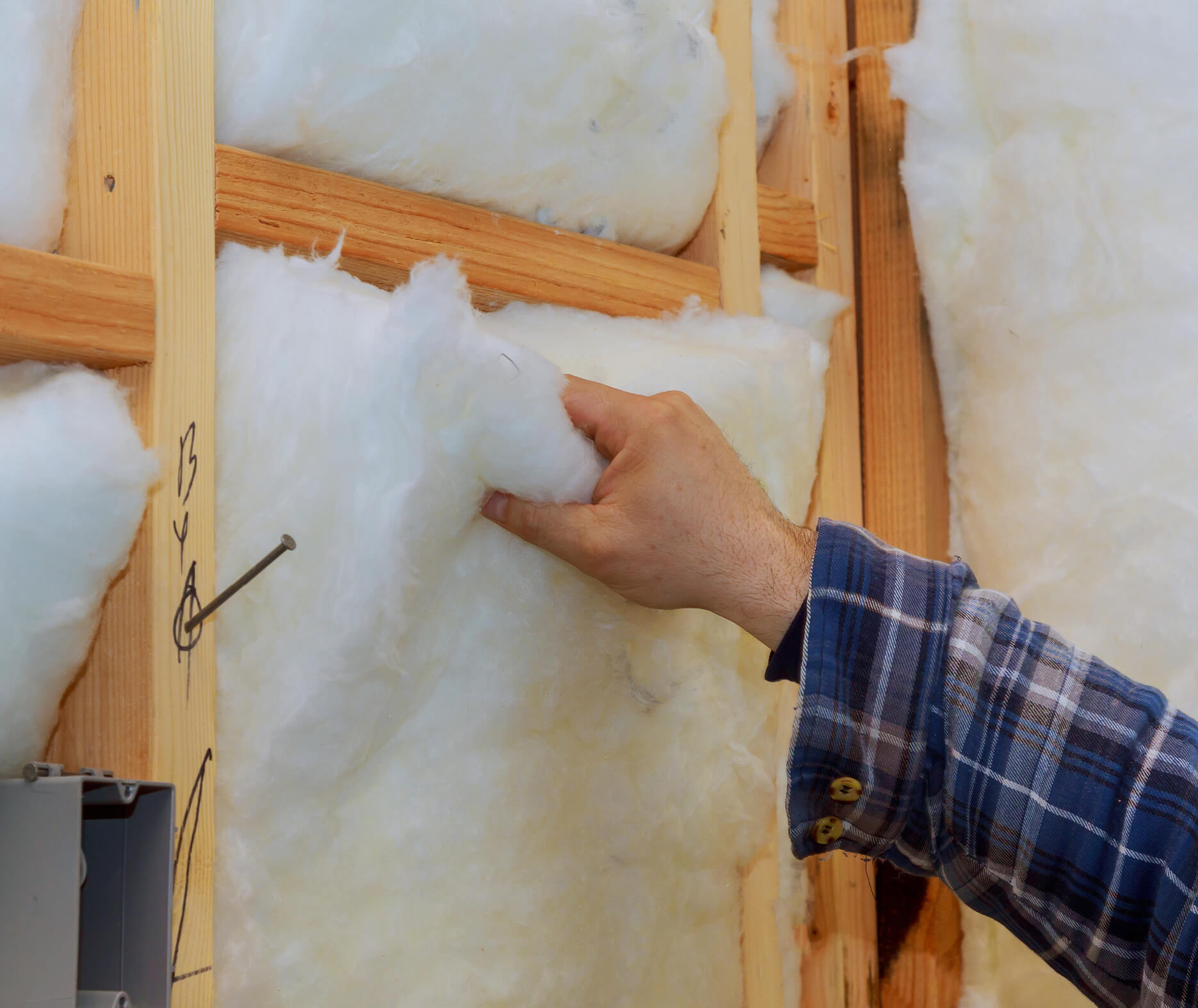
There are multiple types of insulation, but the purpose is all the same: to create a barrier in your home between outside and inside air. This barrier allows for temperature regulation in your home that’s necessary to keep your home’s temperature and humidity level consistent and comfortable.
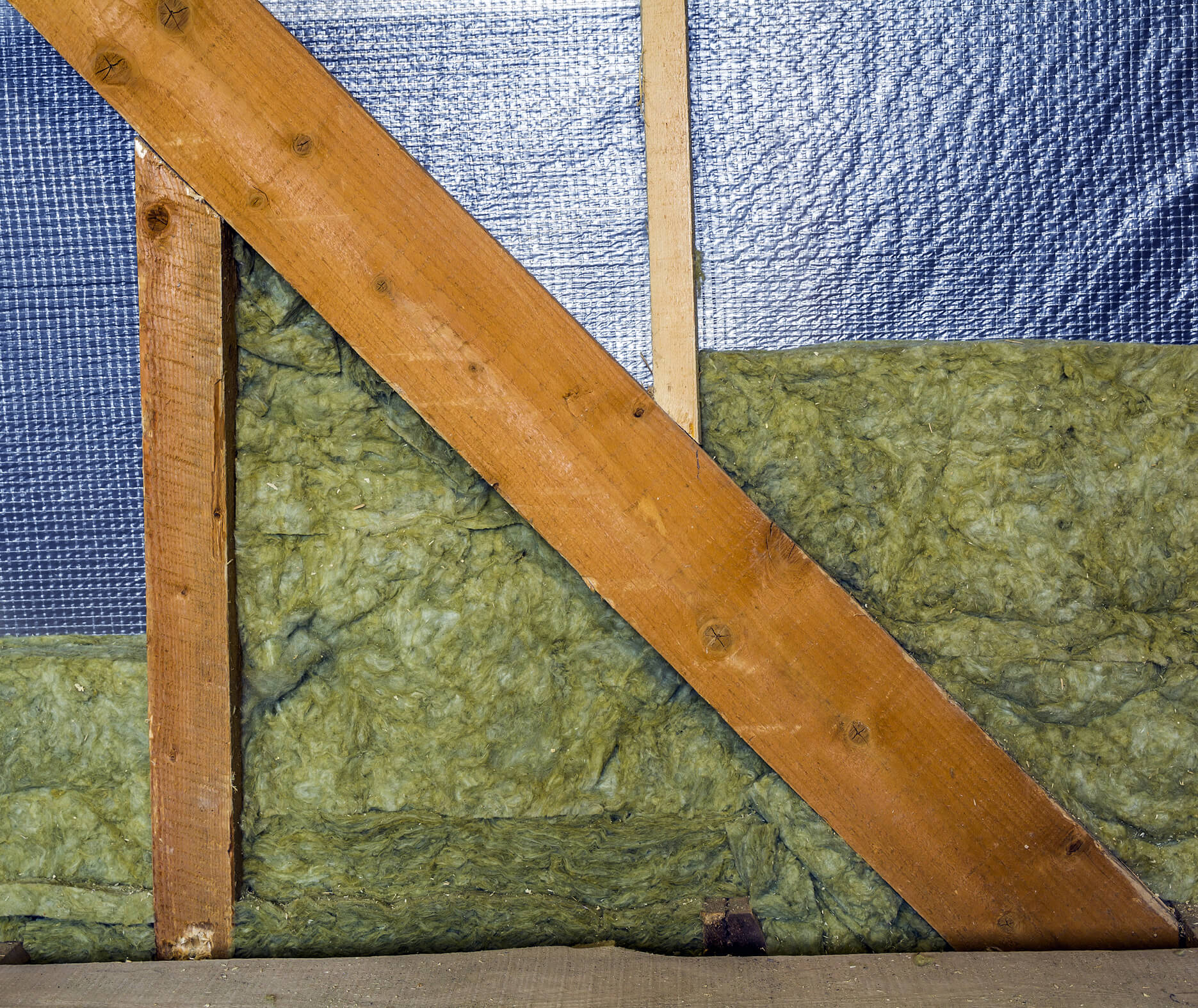
Signs Your Insulation May Be Failing
There are clues that your home’s insulation may need replacing. If you notice these signs, it’s important to have your home inspected by a professional and have the issue addressed as soon as possible.
Have you noticed spaces or rooms in your home that feel hotter or cooler than they should? Do you feel drafts of warm or cool air (depending on the season) around your doors or windows? If you feel drafts or changes in temperature, it’s often a sign that there are issues with your insulation and places it’s not working properly. If you have an older home, your insulation may have deteriorated and need replacing.
If you notice air coming in around doors or windows, it’s important to seal around these places because they’re major areas for air leaks.
Have you observed an increase in your utility bills? It might not be a drastic increase right away, but if you notice a steady increase in what you’re paying for electricity it might be the fault of your insulation.
Changes in the amount of energy your house uses that aren’t accounted for are often because there’s an issue with your HVAC system.
If you’re experiencing higher than average utility bills it’s a good idea to have a professional inspect your HVAC system as well as investigating your home’s insulation. Especially if you have an older home.
Is your home feeling more humid than usual? Do you notice mold or mildew growing? If so, your air conditioning might not be working properly due to insulation issues. If warm, humid air is consistently entering your home it can cause just the type of moist environment for mold and mildew to grow. It’s especially important to check spaces such as attics, crawl spaces, and basements where humid air can cause mold and mildew to thrive.
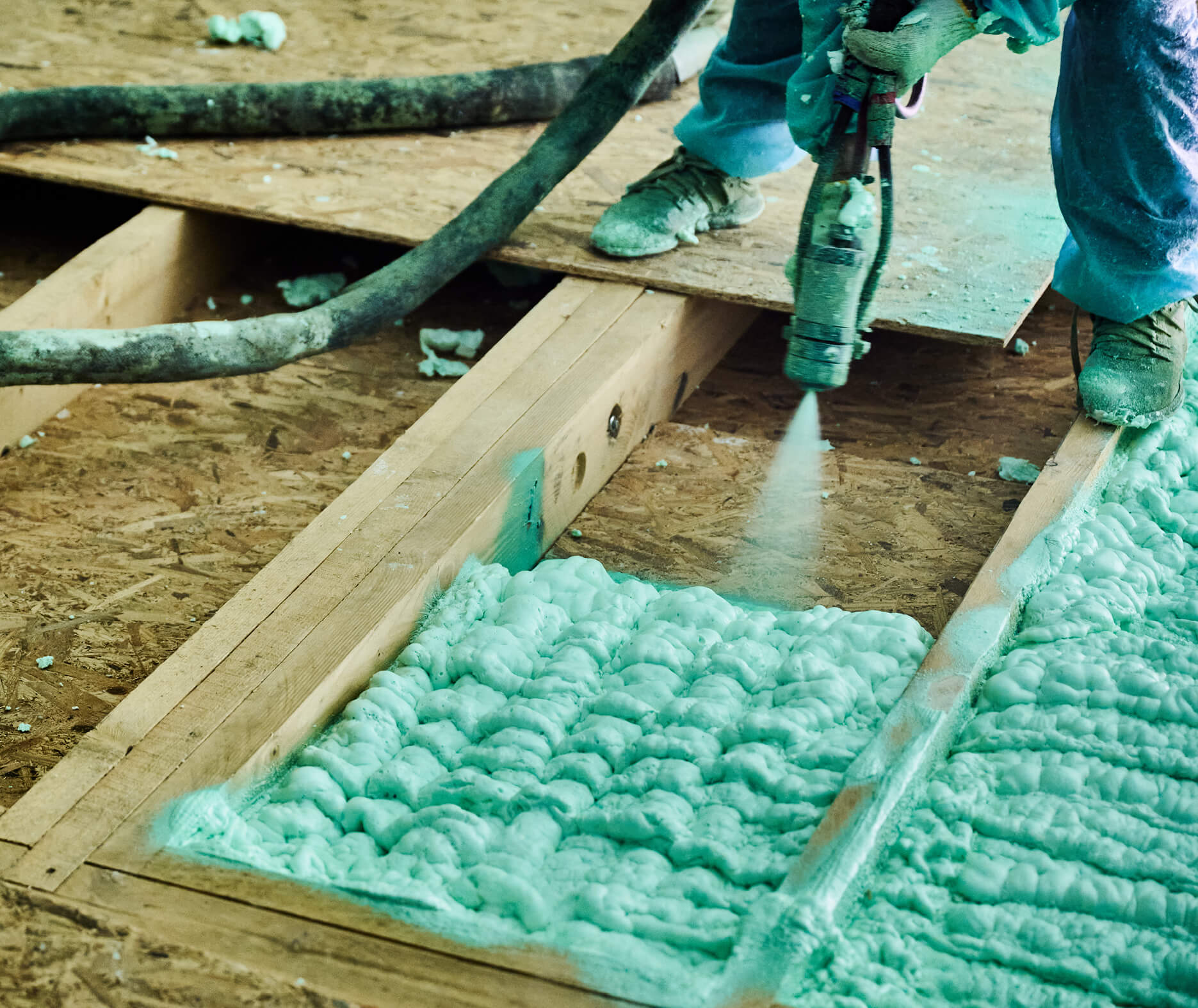
Where Insulation Should Be Located
Where should there be insulation? The standard locations are places that experience major temperature changes or act as barriers between your main living space and the outside such as your walls, attic, crawl spaces or basements, and around ductwork. Many companies, including ETR, offer blown in attic insulation installation in existing homes, to ensure every nook and cranny is covered.
While it might feel intimidating to replace the insulation in your old home, it’s important on many levels and will not only make your home more comfortable but also save you money in utility costs in the long run.
If you notice any of the above issues, contact your local HVAC company today.