
Drain Cleaning in East Texas
Nobody wants to deal with a clogged drain. It’s frustrating when the kitchen sink won’t empty or the shower starts filling up with water around your ankles. And sometimes, no matter how many times you try to clear it, the clog comes right back.
ETR offers drain cleaning services in Tyler, Longview, Athens, and across East Texas. Our plumbers can help with everything from a backed-up bathroom sink to a blockage in your main sewer line. Give us a call, and we’ll come take a look.
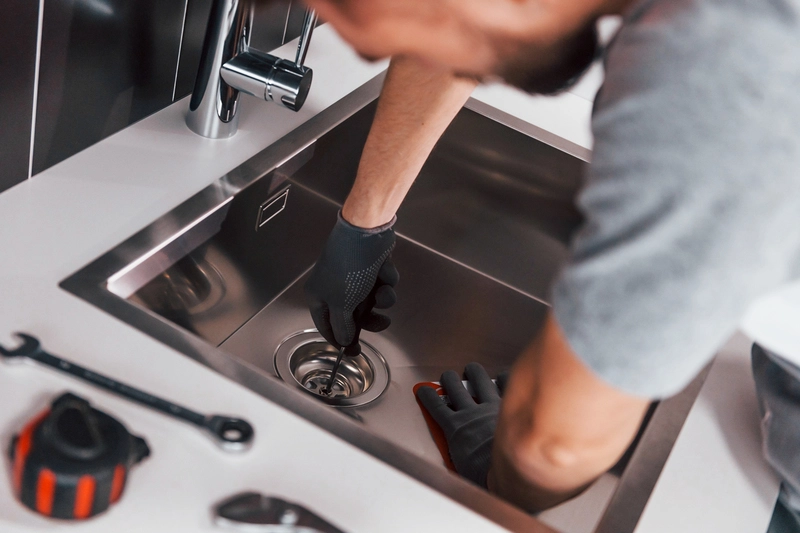
Signs You Need Professional Drain Cleaning
Most drains don’t stop working all at once. The warning signs aren’t always obvious, either. Some of the more common problems include:
- Slow Drains: The water in your sink, shower, or bathtub is taking longer than it should to go down.
- Multiple Backups: More than one drain is giving you trouble. You might even see water coming up in the shower when you flush the toilet.
- Gurgling or Bad Smells: The toilet makes a bubbling noise when you run the sink, or there’s a rotten-egg smell coming from the drain.
- Clogs That Keep Coming Back: You spend twenty minutes unclogging the sink, and by the end of the week, it’s stopped up again.
- Standing Water: You turn off the shower, dry off, and come back later to find there’s still water covering the drain.
Why East Texas Drains Clog
Sometimes a clog is just a bunch of hair or grease stuck in the pipe. Other times, the problem has more to do with where you live or how old your plumbing is.
- Tree Roots: With all the trees around East Texas, roots can be a problem for underground sewer lines. Even a small crack or gap at a pipe joint can give roots a way in.
- Clay Soil: A stretch of heavy rain followed by weeks of dry weather can cause clay soil to swell and shrink. That movement isn’t always kind to the pipes buried underneath it.
- Older Pipes: Some older homes in Tyler, Longview, and Athens still have cast-iron or clay sewer lines. As they age, cast iron can corrode, and clay pipes can crack or come apart at the joints. Both can cause problems with drainage.
- Mineral Deposits: Depending on where your water comes from, it may contain minerals that leave deposits inside your pipes. Over the years, those deposits can build up and make existing clogs worse.
Of course, you don’t need old pipes or tree roots to end up with a clog. Sometimes it’s just years of grease going down the kitchen sink or hair collecting in the shower drain.
Drain Cleaning Methods We Use
We’ll start by finding out which drains are giving you trouble and how long it’s been happening. From there, we can decide whether the line needs to be snaked or if a camera inspection would help us find the cause.
Motorized Snaking or Augering
For clogs that are too far down the pipe to reach by hand, we can use a motorized drain snake. The cable feeds through the line with an attachment on the end that can break up or grab certain blockages. It’s often enough to take care of hair, food waste, and other material stuck in the drain.
Video Camera Inspection
For clogs that keep coming back, we may need to see what’s happening inside the pipe. A small camera can travel through the line and show us where there’s buildup, tree roots, or damage.
DIY vs. Professional Drain Cleaning: When to Call
A plunger is worth trying if the toilet won’t flush or the bathroom sink is draining slowly. For an ordinary clog, that may be all it takes. You can also try removing hair from the drain opening if it’s easy to reach.
But if you’re plunging that same toilet every other day, or the kitchen sink backs up every time you wash dishes, something else may be going on. The same is true if several drains start acting up at once.
We’d also be careful with chemical drain cleaners. They can be rough on certain pipes, and pouring more chemicals down the drain won’t fix a broken sewer line or a bunch of tree roots.
Types of Drains We Clean
We work on drains throughout the house, including:
- Kitchen Sinks & Garbage Disposals: Grease from washing dishes and leftover food can get stuck in the pipes, whether you have a garbage disposal or not.
- Bathroom Sinks, Showers & Tubs: Hair tends to be the main culprit, along with soap scum that builds up inside the drain.
- Toilets: We’ve all had a toilet clog from too much paper. Wipes and other things that aren’t meant to be flushed can cause even bigger problems.
- Laundry Drains: Lint and detergent can build up in the drain pipe. If the line gets clogged, water may overflow from the washing machine’s standpipe.
- Floor, Garage & Utility Drains: Dirt and sediment can get washed into these drains and settle inside the pipe.
- Main Sewer Lines: Since all the household drains eventually connect to the main sewer line, a blockage here may affect the entire house.
Preventing Future Clogs
A lot of drain problems start with what goes down the pipes. Here are a few things worth doing around the house:
- Wipe grease out of pots and pans with a paper towel before washing them. For larger amounts, let it cool and throw it away.
- Use the garbage disposal for small amounts of food waste, not as a substitute for the trash can. Corn husks, eggshells, celery strings, and other fibrous scraps are better thrown away.
- A cheap drain strainer can catch most of the loose hair before it gets into your shower drain. Just remember to empty it.
- Keep wipes, feminine products, and paper towels out of the toilet. That includes wipes sold as “flushable.”
- Have older sewer lines inspected if you’ve had trouble with tree roots before. A camera inspection can help you see whether they’re getting back into the pipe.
- Don’t forget about your water heater, either. Check the manufacturer’s maintenance instructions to see whether flushing is recommended. It won’t keep your drains clear, but it can help remove sediment from the tank.
Why Choose ETR for Drain Cleaning?
ETR has been working in East Texas homes since 1977. Most people know us for heating and air conditioning, but we offer plumbing services now, too.
When you call about a clogged drain, we’ll look at what’s happening and figure out what needs to be done. Sometimes it’s a fairly simple clog. Other times, we may need to check farther down the line to find out why the problem keeps happening.
Our plumbing services are provided under Texas Responsible Master Plumber License 42542.
Serving Tyler, Longview, Athens & East Texas
We provide drain cleaning services in Tyler, Longview, Athens, and other communities across East Texas.
Whether your house has older plumbing or you’ve just got a sink that won’t drain, ETR can help. Call us to schedule a visit from our plumbing team.
Frequently Asked Questions About Drains
How do I know if I need a plumber for a clogged drain?
If a plunger takes care of it and the drain works normally afterward, you’re probably fine. But having to clear the same clog every few days isn’t normal. Neither is having water back up in the bathtub when you flush the toilet.
How much does drain cleaning cost?
We’d need to know a little more about the problem before giving you a price. Clearing a clog under the bathroom sink is quite different from working on a sewer line that’s buried several feet underground.
Is it safe to use chemical drain cleaners?
We don’t recommend relying on chemical cleaners for recurring clogs. Depending on the product, they can damage certain plumbing materials or cause chemical burns. If the cleaner doesn’t work, the chemicals may still be sitting in the pipe when someone tries to clear it.
Why does my sink keep clogging?
It could be that you’re only getting part of the clog out each time. Grease, soap, and other material can stick to the pipe walls, leaving less room for water to pass through. If cleaning the drain doesn’t help for long, we may need to check farther down the line.
Can tree roots really get inside sewer pipes?
They can, and it’s not unusual with older underground sewer lines. Roots find their way through small cracks or gaps at the joints, then grow inside the pipe where there’s plenty of moisture.
How long does drain cleaning take?
That depends on what we find. A clog that’s easy to access may not take very long. If the blockage is farther down the sewer line, or we need to use a camera to find it, the job can take longer.
What does a sewer camera inspection show?
It gives us a view of the inside of the pipe. We can look for roots, cracks, buildup, or sections that have shifted out of place. It’s particularly helpful when the same drain has been giving you trouble for months.
Do I need to have my drains cleaned every year?
Not if they’re working fine. There’s no reason to schedule annual drain cleaning just because another year has passed. If you have older sewer pipes or have dealt with root problems before, though, it may be worth discussing a maintenance schedule with your plumber.
Schedule Your Plumbing Service
Got a sink that won’t empty or a toilet you’re tired of plunging? Call ETR to have it checked. We provide drain cleaning in Tyler, Longview, Athens, and nearby East Texas communities.
Call us today to schedule a service appointment. (903) 581-3771